When people work with different companies like banks, social security companies, or other advisory firms, they trust these companies with their personal information every day. A bank asks for your Social Security number. A financial advisor requests tax records. An investment firm collects business data to make potential deals for companies. Most people think that their personal information stays safe. Sometimes it does not. The generational equity data breach lawsuit settlement is an example of it.
The trust scenario suddenly changed in 2023 when Generational Equity suffered a cybersecurity breach. Generational Equity is an advisory firm for mergers and acquisitions. This breach leaked personal information about thousands of individuals. This information breach led the firm to a class action following a settlement. The settlement was reached for the compensation for the affected victims.
If your personal information has been leaked in this case, you must read this article to understand your rights and legal options available to you.
What Is the Generational Equity Data Breach Settlement?
The Generational Equity data breach lawsuit settlement revolves around some severe allegations. The affected individuals claim that their sensitive personal information was not protected by the company during the cyberattack. This cyberattack was identified in February 2023.
During this cyberattack, hackers accessed the company’s network to chase personal information of clients and employees of this firm. According to the reports, there were more than 2,200 people in total. This lawsuit led to a $275,000 settlement fund for victims and identity protection services.
Eligible individuals could receive reimbursement for certain expenses, credit monitoring, and compensation for documented financial losses.
What Does Generational Equity Do and Why Did It Have Your Data?
Generational Equity operates as a mergers and acquisitions advisory firm. The company helps business owners sell companies, merge with other organizations, and attract investment partners. This type of work requires handling detailed financial and personal information.
Client files may contain:
- tax records
- business valuations
- financial statements
- identification documents
- contact information
- confidential deal data
That information helps advisors structure transactions. At the same time, it creates serious cybersecurity responsibilities. Companies that store financial and identity data must maintain strong digital security systems. A breach can expose highly sensitive information. That risk became real in early 2023.
What Happened in the 2023 Generational Equity Data Breach
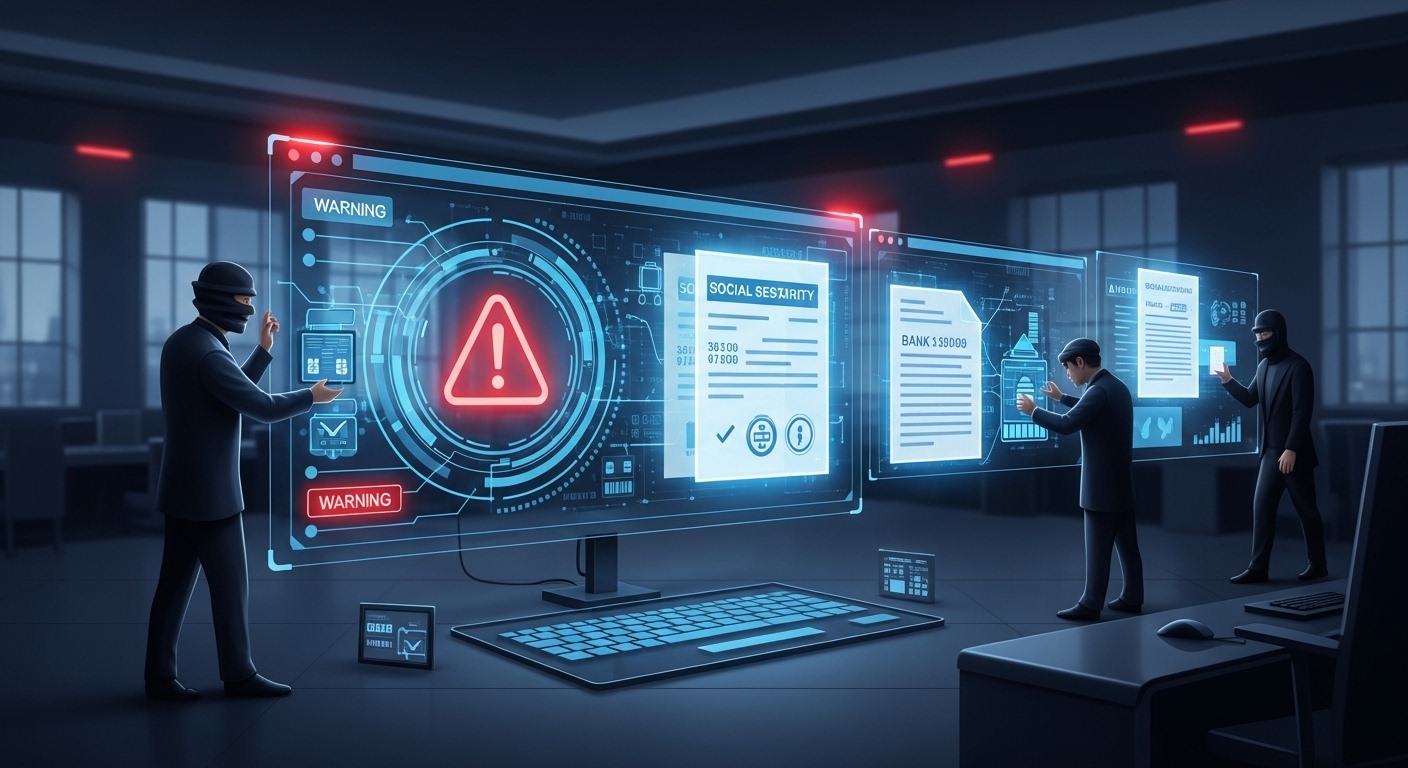
Cybercriminals gained unauthorized access to Generational Equity’s network in February 2023. The attackers viewed and potentially copied sensitive records stored in the company’s systems.
The exposed data reportedly included:
- full names
- Social Security numbers
- driver’s license numbers
- financial account information
- credit card details
- contact information
More than 2,200 individuals were affected by the incident. Identity theft risks quickly became a concern. Personal identifiers such as Social Security numbers can allow criminals to open fraudulent credit accounts, apply for loans, or commit tax fraud using someone else’s identity. Victims sometimes spend months correcting the damage.
Why Was the Generational Equity Lawsuit Filed? Key Allegations Explained
People affected by the breach argued that the company should have implemented stronger cybersecurity protections. The lawsuit raised several key allegations. The company failed to protect the personal data stored on its computers. The company also took too long to warn victims after detecting the breach.
According to published reports, the company waited months before informing the affected people that their personal information was at risk. This delay matters a lot in the lawsuit claim.
Informing people of this issue early helps them take protective action. This action can prevent identity theft. Waiting longer before informing people of this issue deprives them of this opportunity. Legal action was next.
How Much Is the Generational Equity Settlement and Who Gets Paid?
The parties settled the class-action lawsuit for $275,000 and created a fund to compensate victims for damages resulting from the breach. The members of a class who qualified for this lawsuit could receive:
- reimbursement for documented financial losses
- payment for time spent addressing fraud risks
- compensation for identity theft-related expenses
- credit monitoring and identity protection services
Individuals who have experienced confirmed identity theft can claim up to $3,500 in documented losses, depending on what they can prove. The settlement programs require receipts, bank statements, or fraud reports to establish the extent of the damage. In cases of smaller claims, bank charges, communication expenses, and credit monitoring expenses may be eligible for inclusion in the settlement amount.
Generational Equity Data Breach Lawsuit Timeline (2023–2024 Events)
Here is a detailed timeline for the lawsuit and its settlement.
February 15–16, 2023 — Cyberattack Occurs
During this period, unauthorized persons were also able to access the internal systems of Generational Equity. The unauthorized persons were able to access personal identifiable information from the company’s databases of the company. This includes names, Social Security numbers, financial information, and other identifying information. Over 2,200 company associates were affected by the breach.
February 16, 2023 — Breach Discovered
Generational Equity noticed unusual activity in its systems and began investigating the incident. Their internal security assessment revealed that the intruders had accessed the personal information in the company’s records.
Mid-2023 — Investigation and Internal Review
After discovering the breach, the company conducted a technical investigation to determine:
- how hackers entered the system
- What information was accessed
- which individuals were affected
This stage focused on identifying the scope of the breach and determining the extent of compromised data.
October 5, 2023 — Victims Notified
Generational Equity began sending notice letters to those affected by the breach. The company notified victims eight months after the breach, which became a major point of contention in the lawsuit. There were concerns about the company’s timely response to help the people affected by the breach.
Late 2023 — Class Action Lawsuit Filed
After notification letters were issued, affected individuals filed a class action lawsuit in Dallas County, Texas. The case became known as:
Glass v. Generational Equity LLC
Plaintiffs alleged several legal violations, including:
negligence in protecting personal data
inadequate cybersecurity safeguards
delayed notification to victims
failure to prevent unauthorized access to sensitive information
2024 — Settlement Negotiations Begin
It appears both parties have agreed to settle the case rather than go to trial. Settling cases is common in data breach cases as organizations seek to minimize litigation costs and trial damages. The organization denies any wrongdoing and agrees to settle the case by paying a settlement.
2024 — Settlement Agreement Reached
Generational Equity agreed to create a $275,000 settlement fund to resolve the lawsuit. The settlement offered several benefits to eligible individuals:
- reimbursement for documented financial losses
- payment for ordinary expenses such as bank fees
- compensation for time spent addressing fraud risks
- credit monitoring and identity protection services
Victims with documented identity theft losses could claim up to $3,500, depending on the evidence.
November 3, 2024 — Opt-Out and Objection Deadline
Individual class members who did not want to participate in the settlement had until November 3, 2024, to file their objections.
December 3, 2024 – Deadline to File Claims
Individual class members had up to December 3, 2024, to file their claims by submitting a settlement claim form requesting compensation from the settlement fund.
December 6, 2024 – Final Settlement Approval Hearing
The court scheduled a final hearing for December 6, 2024, in Dallas County, Texas, where the judge reviewed the settlement agreement and determined whether the class members were fairly compensated.
Glass v. Generational Equity Lawsuit: Real Case Breakdown
One of the lawsuits associated with the violation was filed in Dallas County, Texas. The case was titled Glass v. Generational Equity and was a lawsuit against the company for failing to protect the personal information stored in its computer system.
The hackers gained access to the company’s computer system as a result of the February 2023 cyberattack. The information obtained included Social Security information and financial information belonging to people associated with the company. This type of violation creates a great risk for identity theft.
The plaintiffs were seeking damages for the damages and risks caused by the violation. The case was settled instead of going through the long court system.
Who Qualifies for the Generational Equity Settlement?
Eligibility generally applied to individuals whose personal information was exposed during the breach. Most affected people received official notification letters explaining the situation. These notices usually described:
- the type of data exposed
- the date of the breach
- instructions for filing a claim
- credit monitoring services offered
Claimants who experienced financial losses needed to provide documentation showing how the breach affected them. Receipts, account statements, and fraud reports often help support those claims. Stronger documentation improves reimbursement chances.
What Risks Do Victims Face After a Data Breach?
A data breach can create long-term risks. Identity theft represents the most common concern. Criminals sometimes sell stolen data through online marketplaces months or even years after the original breach. Stolen personal information may allow criminals to:
- open credit accounts
- apply for loans
- file fraudulent tax returns
- access bank accounts
These crimes often surface long after the initial breach. Ongoing monitoring becomes important.
What Should You Do After the Generational Equity Data Breach?
Quick action can reduce damage. Credit monitoring services help detect suspicious activity. Many settlement programs include free monitoring for affected individuals. Fraud alerts provide another layer of protection. Credit bureaus add warnings to credit reports so lenders can verify identity before issuing new credit.
Credit freezes offer even stronger protection. This step blocks lenders from accessing a credit report unless the owner temporarily lifts the freeze. Regular bank account monitoring also helps. Unusual transactions sometimes appear quickly after personal data becomes exposed.
Read also Direct Fairways Lawsuit
Why Data Breach Lawsuits Are Increasing in 2025
In recent times, cyberattacks have increased significantly in most industries. Organizations have large amounts of personal data stored online. This is what cybercriminals try to exploit for their financial benefits. This is a legal liability.
Businesses that do not take measures to ensure that personal data is secure may face legal action against them. Settlement programs help those affected while encouraging best practices in cybersecurity. Data protection is an essential aspect of contemporary business operations.
Generational Equity Settlement Summary
- Breach Date: February 2023
- Affected People: 2,200+
- Settlement Amount: $275,000
- Max Claim: Up to $3,500
- Claim Deadline: Dec 3, 2024
Frequently Asked Questions
What was the Generational Equity data breach?
The Generational Equity data breach occurred in February 2023 when hackers accessed sensitive personal and financial data of over 2,200 individuals, including Social Security numbers and financial account details.
How much was the Generational Equity settlement?
The lawsuit concluded with a $275,000 class action settlement fund for compensation and identity protection.
What information was exposed in the breach?
The compromised records included names, Social Security numbers, financial account information, and personal identifiers.
Who qualified for the Generational Equity settlement?
Individuals whose personal information was compromised in the breach are eligible to file a claim for compensation and identity protection benefits.
Final Thoughts on the Generational Equity Data Breach Settlement
The Generational Equity Data Breach Settlement sets an example of the risks associated with cybersecurity measures. When a company is unable to provide the security needed to protect its clients’ personal and sensitive information, lawsuits often result. This cyberattack, which occurred in 2023, resulted in the leaking of thousands of people’s personal information, hence the lawsuit. This lawsuit ended with a settlement of $ 275,000. This settlement was to provide compensation and prevent identity theft risks.
Data breaches happen in all kinds of businesses and companies dealing with personal information. They are obliged to protect it. However, failure to do so leads to legal action against the company. Analyzing these kinds of cases helps individuals understand their rights. They can take necessary action if their information is ever breached.

Ayesha Awais is a content writer for JudicialNexus.com, covering accident reports, injury-related news, lawsuits, and public safety updates. All content is informational in nature and based on publicly available sources.