
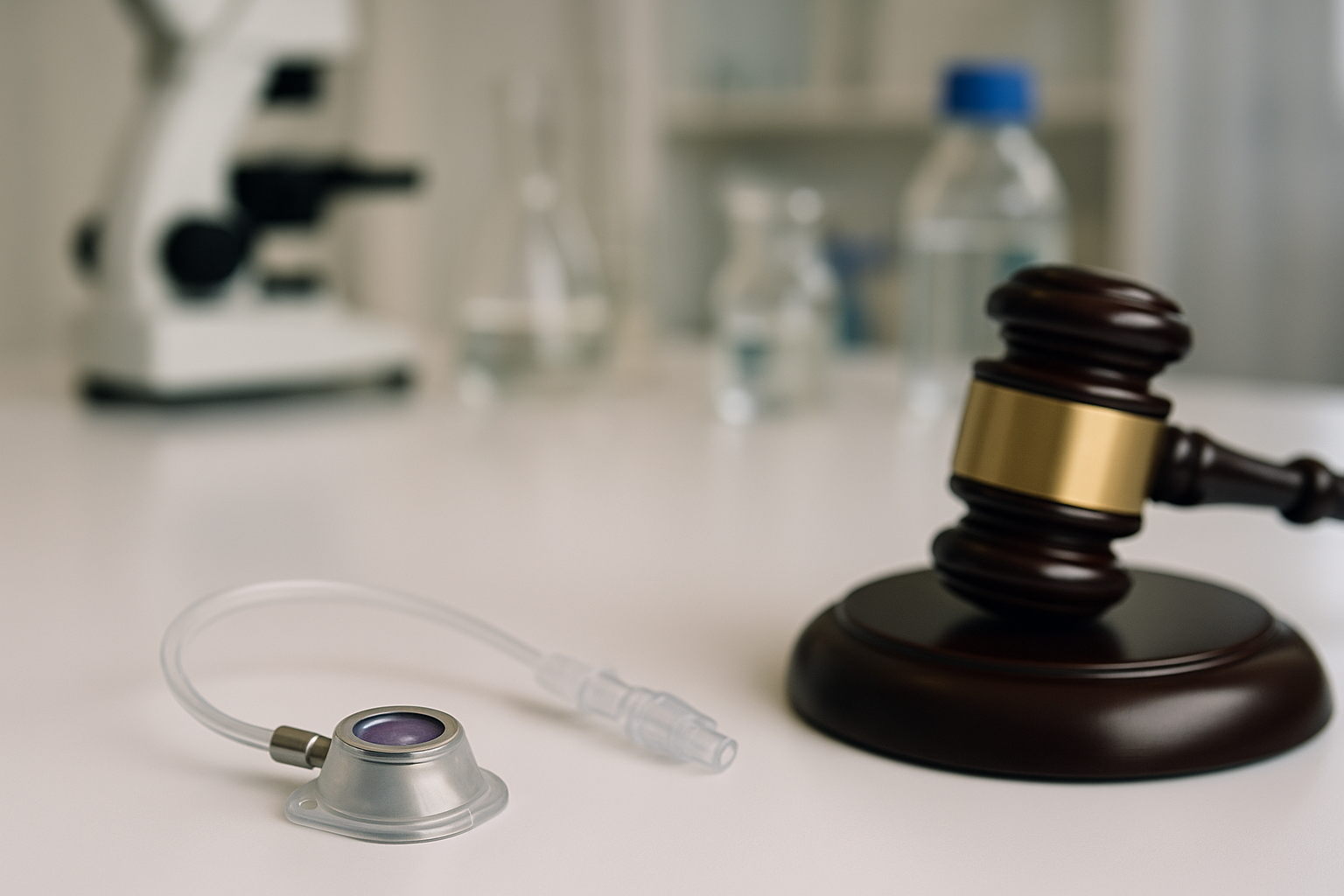
Port‑a‑Cath Lawsuits reveal growing concerns about implanted vascular port devices. Patients across the country report serious injuries tied to these devices. They file claims against major manufacturers and healthcare providers. Complaints include device fractures, migration, infection, and blood clots. Plaintiffs demand accountability and medical expenses. They seek compensation for pain and lost work. These cases raise questions about design, testing, and consent practices. Port‑a‑Cath Lawsuits challenge device safety and patient rights.
What a Port‑a‑Cath Device Does
A Port‑a‑Cath device provides long‑term access to the central venous system. It consists of a chamber implanted under the skin, usually in the upper chest. A catheter is connected to a large vein. Medical staff access the port to deliver treatments such as chemotherapy, antibiotics, or intravenous nutrition. The system reduces the need for repeated needle sticks. Patients report easier care and reduced vein damage. They maintain the device by flushing it regularly. Risks include infection, catheter damage, blood clots, fracture, and device migration. Broken devices may require emergency surgery. Maintenance varies depending on the patient’s condition and medication schedule.
Companies Facing Port‑a‑Cath Lawsuits
Legal cases focus on several well-known device brands. Patients sued device makers and related clinics. Many claims sit in federal multidistrict litigation. The table below outlines key details:
| Manufacturer Multidistrict | Litigation (MDL) | Pending Claims | Top Allegation |
|---|---|---|---|
| Bard Access Systems | MDL 3081 | ~1,500 | Port fractures and migration |
| AngioDynamics/Navilyst | MDL 3125 | ~162 | Structural defect and failure to warn |
Lawsuits cite serious injuries such as device breakage, blood vessel damage, embolism, stroke, sepsis, and death. Plaintiffs argue manufacturers failed to disclose risks or test in clinical settings. They claim warnings and labeling did not match the actual danger.
Patient Injuries and Everyday Impact
Lawsuit narratives describe severe medical crises. Some patients discovered broken catheter fragments lodged in their hearts or lungs. Others contract serious infections leading to sepsis. Several report strokes or pulmonary embolisms. Broken devices sometimes moved through veins and caused organ damage. Patients endured surgery to remove or replace malfunctioning ports. They also faced emotional trauma and long recovery periods. Medical costs often reached tens of thousands of dollars. Work absences and reduced quality of life further burdened families. Some lawsuits include wrongful death claims. Many plaintiffs say they had no idea about these risks before surgery.
Legal Claims and Device Design Issues
Plaintiffs argue that device designs contained inherent flaws. They allege failure to simulate real‑world wear and tear. Some plaintiffs claim manufacturers ignored pinch‑off syndrome at the collarbone. They assert that the catheter material degraded over time. Claims cite inadequate pre‑market testing. Legal filings say warnings were vague or omitted. Companies allegedly downplayed risk during informed consent. Plaintiffs bring product liability, negligence, breach of warranty, and failure to warn counts. Lawsuit courts review surgical records, imaging, and industry communications. Plaintiffs seek compensation for medical costs, ongoing care, lost wages, pain, and emotional suffering.
Port-a-Cath Lawsuit Timeline
| Date | Event | Why It Matters |
|---|---|---|
| 2019–2022 | Patients report catheter breakage, infections, and device migration across multiple states. | Early signs of device failure create concern. |
| 2023 | Lawsuits increase for Bard PowerPort, AngioDynamics SmartPort, and similar implanted ports. | Surge in filings highlights nationwide problem. |
| October 2024 | Federal courts consolidate AngioDynamics port catheter claims into MDL No. 3125. | Centralizes lawsuits and speeds case processing. |
| Early 2025 | Bard PowerPort litigation surpasses 2,000 claims in federal and state courts. | Shows large-scale impact and widespread device failures. |
| Late 2025 | MDL status conferences reveal ongoing injuries and new case filings. | Confirms that litigation remains active and expanding. |
Devices Involved in Port-a-Cath Lawsuits
These lawsuits involve several models from major medical-device manufacturers. Many claims focus on structural weakness, catheter fracture, and migration.
Common devices named in lawsuits include:
Bard PowerPort
Bard PowerPort ClearVue
AngioDynamics SmartPort
Smiths Medical Port-a-Cath
Deltec (older models still implanted)
Medcomp port devices
Plaintiffs often allege that the materials used in these devices weaken during use. This can cause cracks, breaks, or shifts in position inside the body.
Known Device Risks and Medical Data
Medical literature reveals recognized risks. Catheter fracture often occurs where the device crosses between bone structures. Pinch‑off syndrome compresses the device. Broken fragments sometimes migrate to the heart or lungs. Infection rates range from five to six percent. Venous thrombosis following port insertion may occur in up to twenty‑eight percent of patients. Pneumothorax appears in six percent during port placement procedures. Some patients develop tissue damage after fluid leaks. Emergency care episodes occur in less than one percent of cases, but with serious consequences. Complications sometimes arise months or years after initial implantation.
Financial Impact and Settlement Landscape
Early cases include bellwether trials in both MDLs. Settlements vary by injury severity. Fracture and migration claims may resolve for near $150,000 to $400,000. Stroke or major vascular injury cases typically result in awards of $120,000 to $250,000. Infection or minor tissue damage awards often fall under $80,000. Patients experiencing permanent harm may get larger compensation. MDL case counts continue to rise. Settlement decisions hinge on medical records and expert testimony. Cases may also recover future medical costs and pain and suffering damages. Legal precedents forming now could influence future device litigation.
What Patients Should Ask and Document
Ask if your port comes from Bard or AngioDynamics brand. Confirm model and lot number. Request known complication stats. Clarify recommended follow‑up routines. Understand warning signs like swelling or chest pain. Keep copies of imaging and surgical notes. Ask about removal protocols if the port fails. Ensure consent acknowledges documented risks. Request written device details before surgery. Track any symptoms or complications promptly. Maintain communication with your medical team. Serious complications merit immediate action and reporting.
Common Injuries and Complications
Port-a-Cath complications can become severe and sometimes life-threatening. Patients report a range of injuries linked to device failure.
Main complications include:
Catheter fracture
Catheter migration
Blood clots
Severe infection
Sepsis
Perforation of nearby organs
Device blockage
Need for emergency surgery to remove broken parts
These complications often require hospitalization and repeat surgical procedures. Some patients experience lasting physical effects.
How Litigation May Change Medical Practices
Rulings may alter labeling and design mandates. Manufacturers could face stricter engineering standards. Consent documents may include risk thresholds and monitoring guidelines. Hospitals may revise patient education protocols. Device testing may expand to simulate real‑use stress and compression. Regulators might tighten approval procedures and post‑market surveillance. Medical societies could issue new port insertion guidelines. Insurance companies may reevaluate coverage for these devices. Litigation outcomes may set precedent for similar vascular implant cases.
Who May Qualify for a Port-a-Cath Lawsuit
A person may qualify if they:
Received a port-a-cath implant
Experienced catheter breakage, infection, migration, or other device failures
Required medical treatment or surgery to fix the complication
Have medical records that link symptoms to the device
Most law firms also review the device model and date of implantation. A strong claim includes medical imaging, surgical notes, and hospital records.
What Your Lawyer Reviews in These Cases
Attorneys evaluate several details when considering a port-a-cath lawsuit.
Key items include:
Device model and manufacturer
Implantation date
Symptoms and timeline
Imaging results (X-ray, CT, ultrasound)
Infection or fracture evidence
Surgical removal reports
Hospital and oncology treatment records
These details help show how the device failed and how it harmed the patient.
What to Do If You Suspect Device Failure
Patients should take several steps when they notice issues with their port device.
Important actions include:
Seek medical care immediately
Request imaging to detect fracture or migration
Save the device model information
Obtain hospital and surgery records
Keep a record of pain, symptoms, and complications
Contact a medical-device attorney to review the case
Acting early protects your health and your legal rights.
FAQs About Port-a-Cath Lawsuits
What is a port-a-cath?
A port-a-cath is an implanted device used to deliver medications or draw blood.
Why are people filing lawsuits?
Patients allege that the ports can break, migrate, or cause severe infections.
Which injuries qualify for a claim?
Catheter fracture, movement of the device, bloodstream infection, clotting, sepsis, and organ perforation.
How long do I have to file?
Deadlines vary by state, so early review by an attorney is important.
What compensation is available?
Medical expenses, lost income, pain, suffering, and costs of revision surgery.
Conclusion
Port‑a‑Cath Lawsuits highlight serious threats linked to implanted vascular devices. Patients report fractures, migration, infection, and clots. Many lawsuits claim manufacturers failed to test devices under real conditions or disclose risks. These cases demand accountability from companies and clinical systems. They may prompt new safety standards, patient education practices, and medical device rulings. As trials move forward, outcomes could shift how vascular devices get regulated and used. Port‑a‑Cath Lawsuits push toward stronger care and patient protection in vascular device treatment.

Ayesha Awais is a content writer for JudicialNexus.com, covering accident reports, injury-related news, lawsuits, and public safety updates. All content is informational in nature and based on publicly available sources.