If you searched for the Quesito El Establo Cheese Recall, you probably didn’t do it out of curiosity. Something made you pause. Maybe you saw a recall notice. Maybe someone mentioned it. Or maybe you bought this cheese recently, and now you’re wondering if it’s safe to eat. That hesitation matters. When food safety comes into question, it’s not something to ignore or guess your way through.
Here’s what actually happened. The recall involved a product called Quesito Colombiano, a fresh-style cheese made by Quesito El Establo. The issue wasn’t about taste, packaging, or labelling. It came from the conditions inside the facility where the cheese was produced.
Inspectors found signs of rodents and poor sanitation. Once such a problem arises in a food facility, it raises serious concerns. It means the product may have been contaminated before it ever reached the store. And that’s where the risk begins.
The Quesito El Establo cheese recall refers to a safety recall of Quesito Colombiano cheese due to unsanitary production conditions, including rodent activity, which created a risk of contamination.
What Is the Quesito El Establo Cheese Recall?
The Quesito El Establo Cheese Recall refers to all affected cheese produced at the company’s facility under that product line. This wasn’t a partial recall. It wasn’t limited to one batch. The issue was tied to the environment itself.
When the production space is not clean, every product made there becomes questionable. That is why the company moved to recall all of the cheese that could have been affected. From a food safety perspective, this type of recall is taken seriously. It signals that the concern goes beyond a simple mistake. It points to a breakdown in basic hygiene standards during production.
Why Was the Cheese Recalled?
The reason comes down to sanitation and contamination risk. Inspectors found rodent activity inside the facility. That alone is enough to trigger concern. Rodents can carry bacteria. They can contaminate surfaces. As well as in any food manufacturing environment, this danger is transferred rapidly. Meanwhile, unsanitary conditions were also detected. The combination of these two elements causes additional concerns.
It is not only about whether something has been contaminated, but also about the whole surrounding area. One of the threats discussed when this type of contamination occurs is Salmonella. These are bacteria that can potentially cause sickness, depending on their severity, in some individuals. However, the contamination cannot be seen in the cheese.
Which Products Were Included?
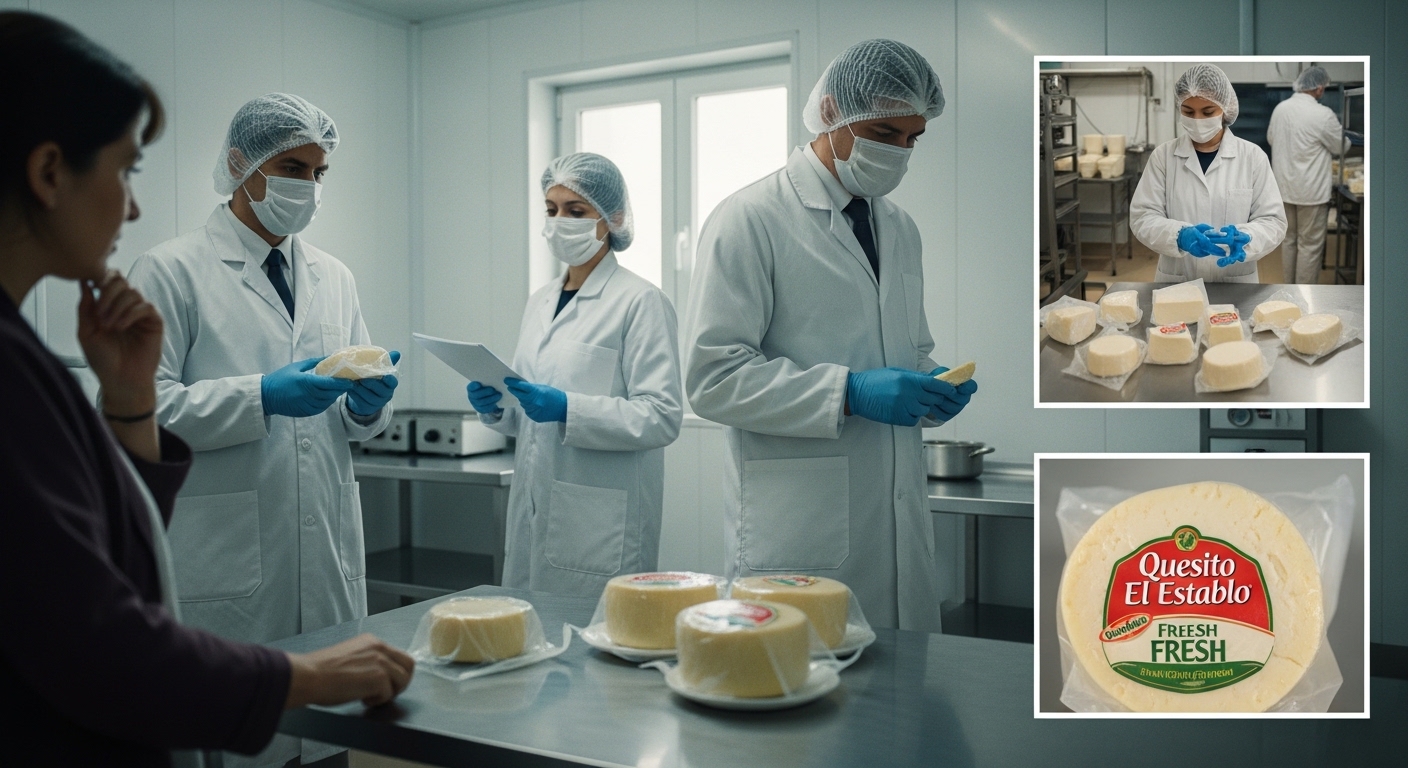
The recall focused on cheese labelled as Quesito Colombiano. It was typically sold in small portions, often around one pound. The packaging was simple. In many cases, it was wrapped and labelled as you would expect for a local or speciality product.
However, there is one thing to note regarding the recall. Any products bearing an embossed date before August 22, 2025, are subject to recall. If you cannot recall the product’s packaging, it is perfectly fine. Not many people care about such information when purchasing a product. However, if you feel that the information fits your product, it is best not to take the chance.
Where Was the Recalled Quesito El Establo Cheese Sold?
The product was primarily sold in Massachusetts. It was not widely available in national retail stores. It was found to be available mostly in local grocery stores. This is an important point to consider.
When products are sold locally, recall information may not reach all consumers immediately. There may be some delay in their learning about the warning. Therefore, if you make purchases from local stores or regularly consume fresh cheese, you must know this information.
What Health Risks Were Linked to the Recall?
This issue concerns the risk of bacteria. Among these bacteria, one notable risk was that of Salmonella infection. This infection can lead to several symptoms, including stomach cramps, diarrhea, fever, and nausea. The body usually manages to fight off the infection.
However, for children, older adults, or individuals with a weakened immune system, there is a risk of severe complications from the infection. Hence, an issue of this magnitude is not to be taken lightly. The number of infections isn’t the only thing that matters.
Symptoms of Salmonella Infection to Watch For
If contamination occurs, one of the main concerns is the risk of Salmonella infection. You cannot see or smell these bacteria, so symptoms are often the first sign that something is wrong. In most cases, symptoms appear within 6 hours to a few days after consuming contaminated food. Common symptoms include:
- Stomach cramps
- Diarrhea
- Fever
- Nausea or vomiting
At first, these symptoms may feel mild. However, they can become increasingly uncomfortable over time, especially if the infection is not properly managed. For most healthy adults, the body clears the infection within a few days. Still, some people face a higher risk.
This includes:
- Young children
- Older adults
- People with weakened immune systems
In these cases, symptoms can become more severe and may require medical attention. If you notice ongoing diarrhoea, high fever, or signs of dehydration, it is important to seek medical care. Acting early can prevent complications and help you recover faster.
What Should You Do If You Have This Cheese?
If you believe you still have this product, the safest step is straightforward. Do not eat it, even if it looks fine or smells normal. However, this is not an experiment you would want to perform on yourself. You should dispose of it safely or take it back to the store.
If you’ve already consumed this, make sure you keep track of your health in the coming days. Should any symptom arise, you’d better see a doctor. For the most part, there would be no serious illnesses.
Were Any Illnesses Reported?
At the time the recall was announced, there were no confirmed reports of illness. That may sound reassuring. But it doesn’t remove the concern. In many cases, recalls happen early, before symptoms are widely reported. That is often the goal. So, the absence of reported illness does not mean there was no risk. It means action was taken before the situation escalated.
Is the Quesito El Establo Cheese Recall Over?
Yes, the recall process itself has been completed. The affected products were removed from distribution, and the official recall action has ended. But that doesn’t mean the issue was minor. The recall was carried out because the risk was real at the time. The completion of the recall indicates the response is finished.
Why This Recall Matters
This recall highlights something people don’t always think about. Food safety isn’t just about the final product you see. It’s about everything that happens behind the scenes. When production conditions are not clean, the risk doesn’t stay in the facility.
It travels with the product. At the same time, not every recall reaches every consumer immediately. Products sold through smaller stores can slip under the radar. That’s why staying informed matters. Because in situations like this, awareness is what keeps you safe.
Read Also, MaryRuth Organics Lawsuit
Conclusion
With regard to the Quesito El Establo cheese recall, the product was withdrawn from the market because it was produced in an unhealthy environment. However, the issue does not lie in the product but in the conditions under which it was made, which creates a high risk of contamination. For this reason, when informed of the food product recall, you would experience confusion and worry.
Frequently Asked Questions
What is the Quesito El Establo Cheese Recall?
The Quesito El Establo Cheese Recall involves a type of fresh cheese that was pulled from the market because it may not have been made under safe conditions. The concern came from what inspectors found inside the facility, not just the cheese itself.
Why is Quesito El Establo cheese being recalled?
It was recalled because there were signs of rodent activity and poor sanitation at the cheese-making facility. That creates a risk of contamination. And once that risk exists, the product is no longer considered safe.
What should I do if I have already eaten the recalled cheese?
If you feel fine, there is a good chance nothing will happen. But still, pay attention to your body. If you notice symptoms such as stomach pain or fever, it is better to seek medical advice.
Where was the recalled Quesito El Establo cheese sold?
It was mainly sold in Massachusetts, often in smaller local grocery stores.
How do I know if my cheese is part of the recall?
Look at the name and the date. If it is labelled Quesito Colombiano and was sold before late August 2025, it may be part of the recall.
Is the Quesito El Establo Cheese Recall still active?
The recall process has already been completed. But that does not mean the issue was small. It only means the product was removed after the risk was identified.

Ayesha Awais is a content writer for JudicialNexus.com, covering accident reports, injury-related news, lawsuits, and public safety updates. All content is informational in nature and based on publicly available sources.