The tool rental industry helps both homeowners and contractors finish projects that require specialized equipment. However, when billing practices become unclear or inconsistent, customers begin to ask questions. Consequently, the Home Depot Damage Protection class action has become one of the most discussed legal issues in the home improvement world. Because thousands of renters interact with Home Depot’s tool-rental program every day, the lawsuits raise important questions regarding transparency, fairness, and consent.
This detailed guide explains everything you need to know. Moreover, it walks you through the allegations, the lawsuits, their current status, and how they may affect you. It uses clear explanations, active voice, and smooth transitions so you can understand the issue without confusion.
What Damage Protection Means in Home Depot Tool Rentals
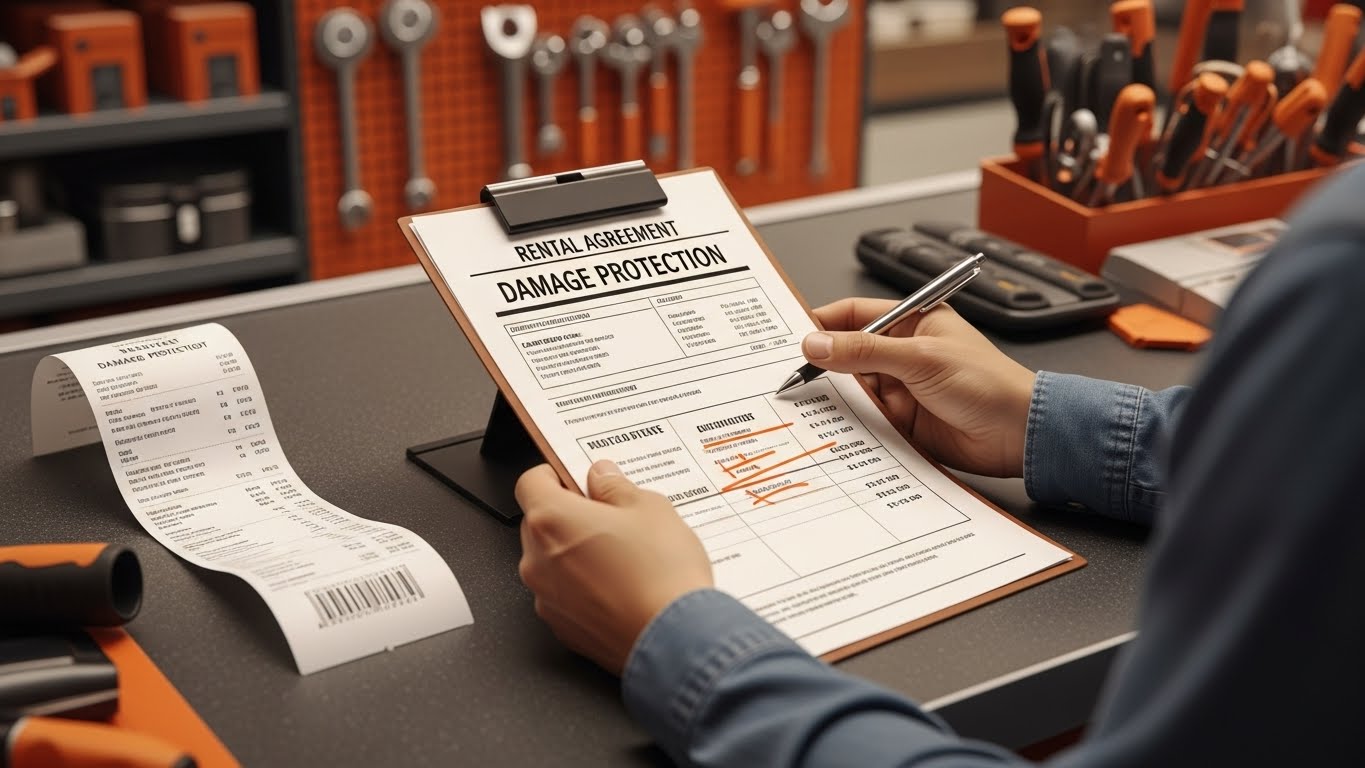
When you rent a tool from Home Depot, the rental agreement usually presents an add-on called Damage Protection. It typically appears as a percentage of the rental price. Older contracts specify 10%, whereas newer versions increase it to 15%. Essentially, the service protects renters from accidental damage during everyday use. Because accidents happen frequently during tool-intensive projects, many people choose it for peace of mind.
However, the fee gained legal attention because several customers reported charges that didn’t match their expectations. As a result, lawyers began investigating how this fee appears on receipts and how Home Depot systems apply it during rentals.
How the Legal Issues First Emerged
The Home Depot Damage Protection class action did not appear overnight. Instead, concerns surfaced gradually as renters compared contracts, receipts, and verbal explanations from employees. Two major allegation categories eventually formed:
- A. Questions about late fee calculations
- B. Concerns about Damage Protection being added automatically
These allegations eventually shaped multiple lawsuits, including:
E&G Enterprise v. Home Depot
Simmons v. Home Depot
Mathews v. Home Depot (earlier and dismissed but still influential)
Each lawsuit focuses on different aspects of the rental process. Consequently, they present a comprehensive picture of the concerns renters have expressed for several years.
The Late Fee Allegations in the E&G Enterprise Case
According to the rental contracts, Home Depot should charge late fees weekly. This means that if you return a tool late, the company should apply a single consistent weekly charge. The contract wording appears straightforward.
However, the E&G Enterprise lawsuit claims Home Depot used a different calculation method. According to the complaint, the company:
Charged ¼ of the weekly rate for each of the first four late days
Charged nothing on days five through seven
Restarted this cycle every week
Applied damage protection on top of late fees, even though the contract states the fee applies to the “rental price” only
Because of this structure, early late days allegedly cost more than renters expected. The lawsuit argues that this method contradicts the “weekly” late fee promise printed in the contract. Consequently, thousands of renters may have paid charges they did not anticipate.
The Simmons Case: The Issue of “Optional” but Auto-Added Fees
While late fees caused frustration, the Simmons v. Home Depot case focuses specifically on how Damage Protection appears on receipts. Home Depot’s contract explicitly states that the cost is optional. Therefore, renters should decide whether to accept or decline it. However, the lawsuit alleges that:
The fee often remained pre-selected in Home Depot’s system
Many renters unintentionally paid for it
Employees sometimes told customers that the system “defaults” the fee to ON
Some customers verbally declined the fee but still found it on their receipts
These allegations suggest that consent did not always occur, even though the contract requires clear acceptance. As a renter, you expect optional services to remain truly optional. Because the lawsuit questions whether customers had a genuine choice, it has attracted significant public attention.
How the Mathews Case Influenced Later Lawsuits
Although it preceded the others, Mathews v. Home Depot played an essential role in shaping subsequent lawsuits. The court eventually dismissed Mathews in early 2025, but the case highlighted procedural gaps that plaintiffs needed to address. Consequently, the E&G and Simmons complaints included:
More precise class definitions
More detailed allegations
Clearer descriptions of damages
Legal analysts often mention Mathews because it set the stage for the arguments unfolding today. Even though it did not succeed, it contributed to the development of stronger, more structured class action filings.
Who the Home Depot Damage Protection Class Action May Affect
If you rented tools from Home Depot between 2015 and 2025, you may fall into one of the groups discussed in these cases. Although the court will eventually define the class boundaries, renters who experienced the following situations may find the lawsuits relevant:
You saw Damage Protection added automatically
You declined Damage Protection but still paid for it
You noticed late fees that seemed unusually high
Your receipt included charges you did not authorize
Your contract language did not match your billed amount
Because the lawsuits involve large rental datasets, they may include both frequent contractors and occasional DIY renters. Consequently, it is important to stay informed about updates, especially if you expect to qualify as a class member once certification is granted.
Current Status of the Home Depot Damage Protection Class Action (2026)
As of January 2026, the following status updates remain accurate:
1. E&G Enterprise v. Home Depot
Filed July 2024
Focuses on late fees and Damage Protection calculations
Status: Active
2. Simmons v. Home Depot
Filed April 2025
Focuses on Damage Protection, allegedly added automatically
Status: Pending
3. Mathews v. Home Depot
Filed earlier, dismissed early 2025
Still referenced frequently in commentary.
Although the plaintiffs proposed nationwide classes, the court has not yet certified them. Consequently, no settlement exists and no payments have been authorized.
If you encounter online advertisements claiming to offer payouts, exercise caution. Authentic class actions always publish official notices through court-approved channels.
Why These Lawsuits Matter to Everyday Renters
The lawsuits matter because they highlight fundamental consumer rights. Customers expect transparency, and they expect companies to honor the pricing structures printed in their contracts.
Moreover:
Rental miscalculations affect long-term contractors who depend on predictable fees
Automatic add-ons undermine consumer choice
Late fee inconsistencies create confusion
Small charges add up significantly across millions of transactions
When companies operate nationwide, accurate billing becomes crucial. Consequently, these lawsuits aim to clarify whether Home Depot followed its own rules.
What You Should Do If You Rented Tools from Home Depot
Although no settlement exists yet, you can still take meaningful steps to prepare for potential updates.
A. Review old receipts
Look for Damage Protection, late fees, or unexpected additions.
B. Keep future rental records
Document both the contract and the final receipt. Moreover, record any verbal communication that contradicts the written terms.
C. Monitor reliable news sources
Because class actions evolve slowly, follow:
Court dockets
Reputable legal news sites
Official settlement administrators (when/if appointed)
D. Stay alert for scams
Real class action notifications never ask for upfront payments. Consequently, verify everything before responding.
Frequently Asked Questions
What started the Home Depot Damage Protection class action?
The lawsuits arose because customers observed discrepancies between contractual language and actual charges.
Does every renter qualify?
No. The court will decide eligibility after class certification.
What if I declined Damage Protection but still paid for it?
This issue arises in the Simmons lawsuit and may become relevant during certification.
When will this case end?
Class actions often take several years, especially when they involve national retail chains.
Can renters still use Home Depot tool rentals?
Yes. The lawsuits do not disrupt current rental operations.
How much compensation could renters receive?
No amounts exist yet because no settlement has been reached.
Is this connected to the California overcharging settlement?
No. That case concerned price-scanning issues, not Damage Protection or late fees.
Conclusion
The Home Depot Damage Protection class action underscores the importance of transparency in tool-rental programs. Because renters deserve accurate billing and honest presentation of optional services, the lawsuits challenge whether Home Depot followed those principles. While the cases remain unresolved, they provide valuable insight into how nationwide corporations must manage optional fees, late charges, and customer consent.
If you rented tools from Home Depot in the last decade, reviewing your receipts and staying informed will help you understand your position once the court issues further decisions. Moreover, staying aware of official announcements ensures you never miss important updates.
As the lawsuits progress, clarity will eventually emerge regarding who qualifies, what compensation becomes available, and how Home Depot will adjust its practices. Until then, staying informed remains the most powerful step you can take.

Ayesha Awais is a content writer for JudicialNexus.com, covering accident reports, injury-related news, lawsuits, and public safety updates. All content is informational in nature and based on publicly available sources.