
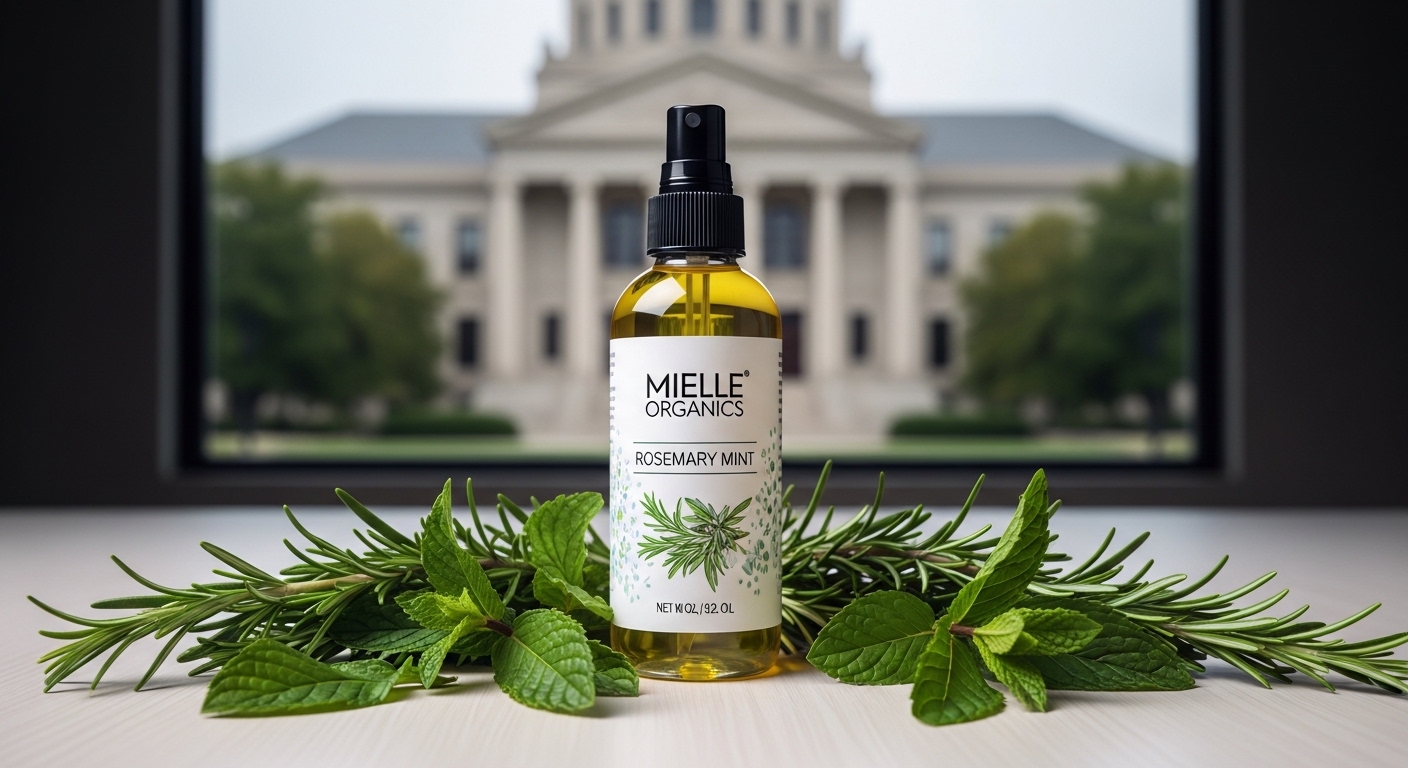
If you are experiencing hair loss and some issues related to your hair after using the products of Mielle Organics Rosemary Mint, then you are not alone. Many people are complaining about unexpected hair loss and scalp problems after using the products of this brand. So, reporting and concerns are spreading fast about Mielle Organics Rosemary Mint class action. People want a clear and trusted report regarding this matter.
This article explains what public filings and reputable reporting describe about the class action claims tied to Mielle Organics Rosemary Mint products. It also covers the allegations, case timeline, and what court terms mean simply.
What is the Mielle Organics Rosemary Mint class action?
The Mielle Organics rosemary mint class action refers to proposed class action lawsuits filed against Mielle Organics LLC and, in several filings, The Procter & Gamble Company. Public complaints and coverage describe claims that certain Rosemary Mint hair care products caused hair loss or scalp issues. The filings also describe claims tied to marketing and disclosure.
Some cases focus on the Rosemary Mint Scalp and Strengthening Hair Oil. Other filings expand the product list and include shampoo and conditioner from the Rosemary Mint line. Public reporting also describes multiple plaintiffs and multiple filings in federal court.
Which Mielle products show up most often in the class action filings?
Product lists vary across filings and summaries. Still, several Rosemary Mint items show up repeatedly in public sources. Commonly referenced products include:
- Rosemary Mint Scalp and Strengthening Hair Oil
- Rosemary Mint Strengthening Shampoo
- Rosemary Mint Strengthening Conditioner
Some complaints and summaries focus on the hair oil as the main product linked to hair-loss allegations. Other filings mention more than one Rosemary Mint product.
What Did Consumers Report After Using Mielle Rosemary Mint Products?
Most of the reports available are of a similar pattern. The consumers have stated that they have been using the Rosemary Mint products as directed or as a regular practice. They later noticed some reactions such as over-shedding, thinning, breakage, or irritation on the scalp. The complaints present these incidents as harm caused due to the use of the product.
Some of the complaints also present a different pattern. The plaintiffs state that the marketing presented a perception of safety and appropriateness, but the packaging did not indicate the risk of hair loss.
What allegations appear in the Mielle Organics rosemary mint class action?
Allegations can differ from one complaint to another. Still, several themes appear across public filings and coverage.
Allegations about hair loss risk
One of the main claims is that some of the Rosemary Mint products are likely to cause hair loss. The plaintiffs claim that the companies did not disclose this information on the packaging or in advertisements. This is important because a large number of class action lawsuits are based on consumer protection laws. The plaintiffs could claim that a reasonable person would consider this information material to the decision to purchase the product.
Allegations about safety information of products?
According to some of the public summaries, the plaintiffs allege that the defendants misled consumers by claiming that the Rosemary Mint products are safe and suitable for use, while at the same time failing to disclose the likely adverse effects.
This allegation often appears alongside claims of misleading omission. The filings describe marketing that emphasizes hair strength and scalp health, alongside an alleged lack of warnings about hair loss.
Allegations about testing and quality control
Some complaints include language suggesting inadequate testing or quality assurance. That framing tends to appear in lawsuits that claim the companies should have identified the risks before selling the products. It also supports arguments tied to negligence-style theories in consumer product disputes.
Allegations about labeling terms such as “natural” or related claims
Some coverage discusses allegations tied to advertising themes beyond hair loss. These can include claims about how products are described, how benefits are presented, and how ingredient impressions get communicated to buyers.
Which courts and case filings connect to the Rosemary Mint class action claims?
Public sources point to federal filings in the United States District Court system, including the Northern District of Illinois, in multiple reports and documents. Key public documents include:
- A complaint titled Gomes v. Mielle Organics LLC et al., listed as 1:24-cv-12019 in the Northern District of Illinois
- A separate filing, Williams, et al. v. Mielle Organics LLC et al., listed as 1:24-cv-12763 in the Northern District of Illinois, which public sources describe as covering multiple Rosemary Mint products
Some reporting also discusses consolidation activity or multiple related claims moving through the courts.
Timeline of the Mielle Organics Rosemary Mint Class Action
Here is the timeline of this class action that will enhance the understanding rapidly evolving this matter.
January 2023: P&G acquisition becomes part of the public backdrop
Mielle Organics reached an acquisition agreement with P&G Beauty in early 2023, which brought the brand into the public discourse. The public backdrop was later linked to consumer concern for changes in formulation, despite public filings emphasizing product impact.
September 2024: media coverage documents the controversy and consumer reports
Mainstream beauty coverage discussed consumer hair loss claims and the wider online conversation around Rosemary Mint products.
November 21, 2024: filing date appears in public complaint reporting
Public reporting and complaint copies identify a late November 2024 filing date tied to the Gomes complaint in federal court.
Late 2024 into 2025: multiple filings and expanded product lists appear in public sources
Public coverage describes additional plaintiffs and filings that name more than one Rosemary Mint product, including shampoo and conditioner.
2025: additional marketing-focused claims appear in public tracking
A separate tracker lists a case caption in California federal court, filed in early 2025, tied to Rosemary Mint product marketing claims.
What does “class action” mean in this context?
You may hear “class action” and immediately think money. That is not how the process works. A proposed class action begins with a complaint. Then the case moves through the early steps. Plaintiffs may later ask the court to certify a class. The court evaluates whether the case meets the requirements for class certification. Class certification does not happen automatically. A lawsuit can stay in proposed status for a long time. Some cases never reach certification. The label “class action” often describes the structure the plaintiff requests, not a final court decision.
What does a complaint prove in a rosemary mint lawsuit?
A complaint proves one thing. It proves that someone filed a lawsuit. A complaint does not prove that the allegations are true. The filing lays out claims and the legal reasons the plaintiff believes they matter. The defendants can respond and dispute them. The court can dismiss claims, allow amendments, or move the case forward into evidence exchange.
What issues can cause hair shedding that are not product related?
Hair shedding can feel scary. It can also have many causes that overlap in time with product changes. Common contributors discussed in general medical and dermatology settings include:
- stress and major life events
- illness or fever history
- hormonal shifts
- nutrition issues
- scalp conditions
- tight styling habits
- chemical processing and heat tools
Many people switch products when they have a hair concern. That timing can make causation feel obvious. Still, hair cycles can lag behind triggers. That lag can make the timeline confusing.
What does mainstream reporting say about the rosemary mint controversy?
Mainstream beauty reporting covered widespread consumer claims online, along with questions about potential product changes, counterfeits, and ingredient tolerance. It also included expert commentary explaining how certain ingredients can irritate some scalps, while others tolerate them. That kind of reporting often encourages readers to consider scalp sensitivity and counterfeit risk as part of the wider picture.
What remedies do plaintiffs usually request in this type of class action?
Public summaries and complaints often list remedies that appear in consumer product class actions. Commonly requested remedies include:
- refunds or damages tied to purchases
- injunctive relief, such as changes to labeling or marketing
- restitution and disgorgement concepts in some state law frameworks
- attorneys’ fees and costs when statutes allow it
Read Also MaryRuth Organics Lawsuit
What impact can this class action have on the brand?
Even with neutral reporting, it helps to name the real-world effects a lawsuit can create.
Brand trust pressure
Hair care sits in a trust category. People build routines and stay loyal for years. So a product controversy can create anxiety, especially among customers with textured hair who rely on consistent results.
Customer support and operational load
Consumer complaints can increase support tickets, returns, and retailer questions. Legal disputes can also increase document preservation and internal review work.
Retail and marketing adjustments
Companies can re-evaluate product messaging and packaging. They can also re-evaluate anti-counterfeit messaging and retailer verification guidance. This is when concerns about counterfeits emerge in public discourse.
These effects are just normal business realities. They can emerge in public product disputes. They do not predict any outcome in court.
Frequently asked questions
Is the Mielle Organics Rosemary Mint class action real?
Yes. Public complaints and reporting describe filings in federal court related to Rosemary Mint products and hair-loss allegations.
Which products are included?
Public filings and summaries most often mention the Rosemary Mint Scalp and Strengthening Hair Oil. Some filings also mention Rosemary Mint shampoo and conditioner.
Does the lawsuit claim everyone will experience hair loss?
No public filing describes that kind of universal effect. Complaints describe plaintiffs’ experiences and allege risk. Individual results can differ in real life.
Has a settlement been announced?
Public sources reviewed here focus on active filings and updates. A confirmed class action settlement usually includes a formal court notice and a defined claims process. Public reporting in this set does not show that type of finalized settlement notice.
Does a lawsuit filing mean the company did something wrong?
No. A lawsuit filing means a plaintiff submitted allegations. Courts evaluate claims through procedure and evidence.
Why do some people mention P&G?
Public filings name The Procter & Gamble Company as a defendant in certain cases, and media coverage notes P&G acquired Mielle Organics in 2023.
Final Words
The Mielle Organics Rosemary Mint class action lawsuit is a reference to the proposed class action lawsuits involving Rosemary Mint hair care products, which are usually the Rosemary Mint Scalp and Strengthening Hair Oil. The public complaints include allegations of hair loss, misrepresentation, and marketing problems. The public sources also include other filings involving Rosemary Mint shampoo and conditioner.

Ayesha Awais is a content writer for JudicialNexus.com, covering accident reports, injury-related news, lawsuits, and public safety updates. All content is informational in nature and based on publicly available sources.