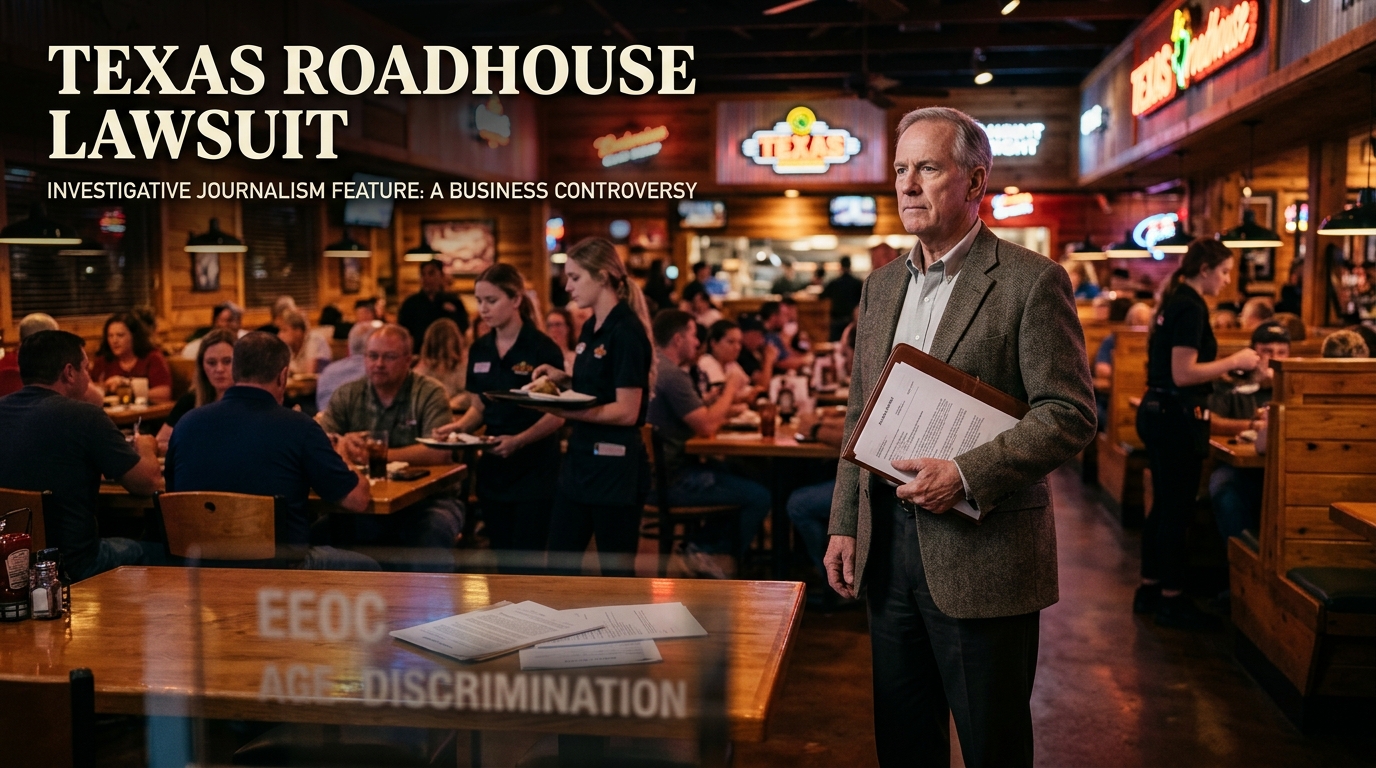
Most people know Texas Roadhouse for crowded dining rooms, free peanuts, country music, and servers dancing between tables while birthday celebrations echo through the restaurant. For years, the chain looked almost unstoppable.
Locations expanded across the United States. Revenue climbed. Weekend wait times became part of the experience. Texas Roadhouse built one of the strongest customer followings in casual dining. At the same time, a major legal fight unfolded behind the scenes.
Federal regulators accused the company of favoring younger workers while pushing older applicants away from customer-facing restaurant jobs. The allegations eventually grew into one of the largest and most widely discussed age discrimination lawsuits ever filed against a restaurant chain in America. The case lasted for years. It triggered federal scrutiny, national headlines, and a multi-million-dollar settlement with the U.S. Equal Employment Opportunity Commission, commonly known as the EEOC.
Even now, many people searching “Texas Roadhouse lawsuit” only know fragments of the story. Some remember headlines about a $12 million settlement. Others heard the company faced allegations tied to hiring younger workers. Many articles online blur separate lawsuits together without explaining what actually happened in federal court.
The full story is more layered than most summaries suggest. The lawsuit was not simply about one restaurant manager or one hiring complaint. It became part of a larger national conversation about workplace image, restaurant culture, hiring bias, and how customer-facing companies build their public identity. Years later, the case still follows the brand online.
What Triggered the Texas Roadhouse Lawsuit?
The legal battle started after the EEOC accused Texas Roadhouse of age discrimination in hiring.
According to federal allegations, the company favored younger applicants for front-of-house positions such as:
- servers
- bartenders
- hosts
The government argued that applicants age 40 and older often received fewer opportunities for these jobs despite having experience and qualifications. The allegations fell under the Age Discrimination in Employment Act, usually called the ADEA. Federal law protects workers age 40 and older from discrimination tied to age.
The EEOC claimed the issue stretched across restaurant locations nationwide rather than involving only isolated incidents. That immediately raised the stakes. Texas Roadhouse denied intentionally discriminating against applicants. Still, the lawsuit kept expanding.
Why Front-of-House Jobs Became the Center of the Case
The case centered on visible restaurant jobs for a reason. Front-of-house employees shape how customers experience a restaurant. Servers interact with guests throughout meals. Hosts control first impressions. Bartenders work directly with customers in highly visible areas.
Federal investigators argued that staffing patterns inside many Texas Roadhouse locations appeared disproportionately young. The EEOC also pointed toward hiring practices and workplace culture that allegedly reinforced a younger image inside restaurants. That issue became one of the most important parts of the lawsuit.
Restaurant chains do not simply sell food. They sell atmosphere, energy, branding, and customer experience. Dining rooms become part of the company’s identity. Employment lawyers followed the Texas Roadhouse case closely because it raised difficult questions about whether businesses quietly shape hiring around appearance and image expectations. The lawsuit pushed those conversations into public view.
The Case Quickly Became National News
Texas Roadhouse already operated hundreds of restaurants when the lawsuit gained momentum. That changed how the case was viewed. A discrimination lawsuit involving one local restaurant might settle quietly. A federal lawsuit accusing a national chain of widespread hiring bias attracts a very different level of attention.
News coverage expanded as court disputes continued. Employment-law groups, restaurant-industry analysts, and major media outlets all began following the case. The legal battle also became unusually aggressive.
Texas Roadhouse challenged several EEOC claims during the litigation process. At one point, the company even filed a separate federal lawsuit involving the EEOC and Freedom of Information Act disputes connected to the investigation. By then, the conflict had grown far beyond a routine employment complaint.
The $12 Million Settlement
In 2017, Texas Roadhouse agreed to pay $12 million to settle the EEOC lawsuit. The settlement became one of the largest public age discrimination resolutions tied to the restaurant industry.
Importantly, Texas Roadhouse did not formally admit wrongdoing as part of the agreement. The company continued denying intentional discrimination throughout the legal fight. Even so, the settlement forced substantial changes tied to hiring oversight and anti-discrimination procedures.
Public settlement records showed the company agreed to:
- strengthen anti-discrimination training
- improve hiring oversight
- expand recruitment involving older workers
- monitor hiring practices more closely
- maintain reporting obligations tied to future employment practices
Settlement funds also went toward affected applicants identified during the litigation process. For employment lawyers, the case quickly became one of the most recognizable examples of alleged age discrimination in modern restaurant hiring.
Why the Lawsuit Resonated Beyond Texas Roadhouse
Age discrimination lawsuits rarely dominate public discussion the same way race or gender discrimination cases often do. This case broke through that pattern. Part of the reason involved the restaurant industry itself.
Restaurants depend heavily on image and presentation. Energy becomes part of the brand. Customer-facing employees help shape atmosphere inside the dining room. The lawsuit forced uncomfortable questions into the open. Could workplace image quietly influence hiring decisions even when companies never openly admit it?
The Texas Roadhouse case became a major example in employment-law discussions because the allegations touched directly on that issue. The timing also mattered.
The lawsuit unfolded during a broader national period of debate around workplace discrimination, corporate culture, and hiring practices. Public attention toward employment issues was already growing. The EEOC allegations against Texas Roadhouse landed directly inside that environment. Years later, the lawsuit still appears regularly in conversations involving age bias and restaurant hiring culture.
Texas Roadhouse Continued Growing While the Lawsuit Played Out
One reason the lawsuit remained so fascinating involved what happened outside the courtroom. Texas Roadhouse kept growing.
Restaurants stayed busy. New locations continued opening. Financial reports showed ongoing expansion and strong sales performance even while the EEOC litigation remained active. By that point, the contradiction sat in plain sight.
One of America’s fastest-growing restaurant chains faced major federal discrimination allegations while customers continued packing dining rooms across the country.
Large national brands sometimes survive legal controversy differently than smaller businesses. Strong customer loyalty and financial momentum can continue even when lawsuits create negative headlines. Texas Roadhouse became a clear example of that reality.
Texas Roadhouse Faced Other Legal Battles Too
The EEOC age discrimination lawsuit remains the most recognized legal battle tied to Texas Roadhouse, but it is far from the only lawsuit connected to the company.
Over the years, the chain has also faced claims involving:
- overtime disputes
- wage issues
- ADA accessibility complaints
- customer injury lawsuits
- workplace harassment allegations
- employment disputes
- DEI-related legal complaints
Many published reports lump these cases together under the broad phrase “Texas Roadhouse lawsuit,” even though most of the claims involve completely separate legal issues.
An overtime-pay dispute, for example, has little connection to a federal age discrimination case tied to hiring patterns. The same applies to accessibility lawsuits or injury claims filed against individual restaurant locations. That distinction often disappears online once multiple lawsuits become attached to a large national brand.
Did the Lawsuit Hurt Texas Roadhouse’s Reputation?
The lawsuit created years of negative publicity for the company.
Federal discrimination allegations almost always damage public perception because they affect trust, hiring culture, and workplace image. The Texas Roadhouse case became especially visible because the allegations focused on customer-facing employees and hiring appearance.
Even today, searches involving the company still commonly include phrases such as:
- age discrimination
- EEOC lawsuit
- hiring bias
- settlement
- discrimination claims
The lawsuit permanently became part of the company’s online identity. At the same time, public controversy and business collapse are not always connected. Texas Roadhouse continued operating successfully during and after the legal battle. Customers largely kept coming. That tension became one of the most interesting parts of the entire story.
What Public Records Actually Show
Federal court records and EEOC announcements confirm that the agency filed an age discrimination lawsuit against Texas Roadhouse involving nationwide hiring allegations. Public settlement records also confirm the company later agreed to resolve the litigation through a $12 million settlement.
Public records reviewed during research consistently support several core facts:
- the EEOC accused Texas Roadhouse of age discrimination
- the allegations involved older job applicants
- Texas Roadhouse denied intentional wrongdoing
- the company later settled the case
- the settlement included hiring-policy changes and oversight requirements
This distinction matters because internet discussions sometimes mix verified federal litigation with rumors, exaggerated commentary, or unrelated lawsuits involving individual restaurant locations.
Why the Texas Roadhouse Lawsuit Still Matters
The Texas Roadhouse lawsuit became much more than a routine employment dispute. Federal regulators accused one of America’s largest casual dining chains of favoring younger workers for visible restaurant positions while limiting opportunities for applicants age 40 and older. The allegations triggered years of litigation, national headlines, and one of the largest public age discrimination settlements involving the restaurant industry.
The case also exposed a deeper issue inside customer-facing businesses. Companies spend enormous effort building image, atmosphere, and brand identity. Hiring decisions connected to that image can create serious legal exposure when age appears to influence recruiting patterns or workplace culture.
Texas Roadhouse denied intentional discrimination throughout the legal battle. Even so, the company agreed to a multi-million-dollar settlement and major hiring-policy changes tied to the EEOC case. Long after the settlement ended the lawsuit, the controversy continued shaping how many people viewed the company online. For some businesses, legal disputes slowly fade from public memory. The Texas Roadhouse case never fully did.
Years later, people still search the company name alongside terms connected to discrimination claims, hiring bias, and federal litigation. That lasting visibility explains why the lawsuit remains one of the most discussed employment cases tied to the restaurant industry.
Anyone researching the Texas Roadhouse lawsuit today should separate carefully:
- verified federal litigation
- settlement facts
- unrelated lawsuits
- public allegations
- internet exaggeration
- social media commentary
That distinction provides a much clearer understanding of what actually happened during one of the most significant employment discrimination lawsuits connected to a major American restaurant chain.
Frequently Asked Questions
Why did the EEOC sue Texas Roadhouse?
The EEOC accused Texas Roadhouse of favoring younger workers over applicants age 40 and older for front-of-house restaurant jobs such as servers, hosts, and bartenders.
How much did Texas Roadhouse pay to settle the lawsuit?
Texas Roadhouse agreed to pay $12 million to settle the federal age discrimination lawsuit.
Did Texas Roadhouse admit discrimination?
No. The company denied intentional wrongdoing throughout the litigation but later agreed to settle the case.
What law was involved in the lawsuit?
The case involved the Age Discrimination in Employment Act, which protects workers age 40 and older from employment discrimination based on age.
Is Texas Roadhouse still operating today?
Yes. Texas Roadhouse continues operating and expanding restaurant locations across the United States and internationally.

Ayesha Awais is a content writer for JudicialNexus.com, covering accident reports, injury-related news, lawsuits, and public safety updates. All content is informational in nature and based on publicly available sources.